Adaptive Fitness · Port Jefferson Station, NY
Adaptive Fitness on Long Island
Fitness That Adapts to the Athlete
Adaptive fitness is not one specific workout.
It is a way of coaching.
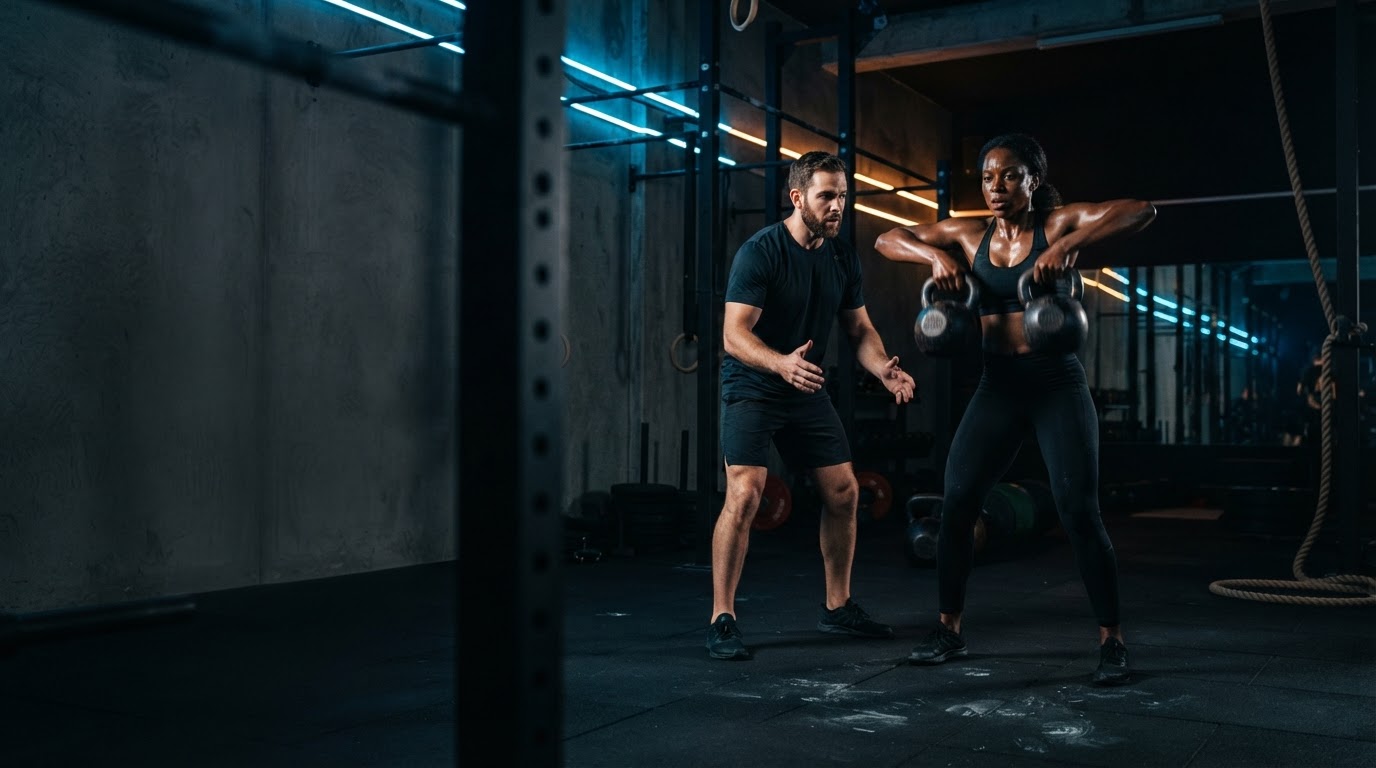
Fusion Adaptive Fitness adjusts exercises, instructions, pacing and support around the person so more children, teens and adults can participate in real fitness.
Some athletes need one-on-one coaching. Others do well in a small group. Some need more repetition, shorter instructions, different exercises or a slower progression.
The goal is not to make every athlete train the same way.
The goal is to help each athlete build from where they are.
What Is Adaptive Fitness?
Adaptive fitness means changing the training approach when the standard approach is not the right fit.
The workout may be adjusted based on the athlete's:
- current fitness level
- mobility
- coordination
- balance
- communication style
- sensory preferences
- exercise experience
- support needs
- confidence
- goals
Adaptive training can include strength exercises, conditioning, movement drills, balance work, coordination, bag work, boxing or kickboxing fitness and other forms of exercise.
The important part is that the coach is not locked into one way of teaching or one version of an exercise.
The workout adapts to the athlete, not the other way around.
Who Is Adaptive Fitness For?
Adaptive fitness can be useful for people who need more flexibility, individual attention or a different coaching approach than they may find in a traditional gym.
Children New to Fitness
Some children need more time, clearer instruction or a smaller environment before they feel comfortable exercising.
Teens Who Need a Better Fit
Not every teen enjoys team sports or large fitness classes. Adaptive fitness can provide a more individualized way to build strength and confidence.
Adults With Disabilities
Adults may want to become stronger, more active, more independent or simply build a consistent fitness routine in a real gym environment.
Autistic Athletes
Autistic children and adults may benefit from differences in pacing, communication, repetition, transitions, routine or the training environment.
People With Developmental Disabilities
Some athletes with intellectual or developmental disabilities may benefit from clearer coaching, more repetition, smaller groups or individualized exercise modifications.
Anyone Who Needs a Different Approach
A diagnosis is not required. If a standard gym or class has not felt like the right fit, adaptive fitness may provide another way to start.
Ways to Train at Fusion
Adaptive fitness is the overall approach. The right program depends on the athlete.
Adaptive Personal Training
One athlete. One coach.
Adaptive Personal Training allows the coach to build the session around the athlete's current abilities, goals and experience.
Training may include strength, conditioning, balance, coordination, movement skills and confidence in the gym.
Adaptive Group Fitness
Small-group fitness combines the energy and community of a group with the ability to modify exercises and coaching for different athletes.
Athletes do not need to perform every exercise exactly the same way to train together.
Adaptive Boxing & Kickboxing
Boxing and kickboxing fitness can be adapted through bag work, striking combinations, movement, footwork and conditioning.
Exercises can be adjusted for different experience levels and abilities while keeping the focus on real fitness.
Fitness Goals Can Look Different for Every Athlete
There is no single goal every athlete needs to work toward. Depending on the person, adaptive fitness may focus on areas such as:
One athlete may be working toward completing an entire workout.
Another may be working on balance, strength or coordination.
Someone else may simply be learning how to feel comfortable and confident in a gym.
Progress should be meaningful to the person doing the training.
Adaptive Does Not Mean Easy
Adaptive fitness is not about automatically lowering expectations.
It is about finding an appropriate way to challenge the athlete.
That might mean:
- changing the exercise
- changing the weight
- changing the range of motion
- slowing down the pace
- using more demonstrations
- giving shorter instructions
- adding more repetitions for learning
- changing the environment
- providing more individual coaching
The athlete can still work hard, build skills and make progress.
The approach simply becomes more flexible.
Different does not mean less.
Kids & Teens
Adaptive Fitness for Kids & Teens
Children and teens may come to Fusion because traditional sports, large classes or standard gym programs have not been the right fit.
Some are completely new to exercise.
Some need more individual attention.
Some may have autism, developmental disabilities or other support needs.
Others simply do better with a different pace or coaching style.
We focus on helping the athlete become more comfortable moving, exercising and building confidence.
Adults
Adaptive Fitness for Adults
Adaptive fitness is not only for children.
Adults may want to build strength, improve conditioning, become more active, develop a regular routine or become more confident exercising independently.
For some adults with developmental disabilities, fitness can also become an important part of community participation and a healthier weekly routine.
Fusion offers both individual and group options depending on the athlete.
Autism
Adaptive Fitness for Autistic Athletes
There is no single way an autistic athlete needs to train.
One person may benefit from predictable routines and repetition.
Another may need more variety.
Some athletes prefer short, direct instructions.
Others may need more time to become comfortable with a coach or environment.
Fusion focuses on the individual rather than assuming everyone with the same diagnosis needs the same type of workout.
Developmental Disabilities
Fitness for People With Developmental Disabilities
Fusion works with athletes with a range of intellectual and developmental disabilities who may benefit from a more individualized approach to exercise.
Training may be adjusted around communication, movement, pace, exercise complexity, support needs and the athlete's goals.
Start with a conversation so we can determine whether our current programs and facility are the right fit.
How We Adapt the Workout
The Exercise
We can change the movement, equipment, weight, range of motion or complexity.
The Instruction
Some athletes learn best through demonstration. Others need shorter instructions, repetition or step-by-step coaching.
The Pace
Training can move faster or slower depending on the athlete's experience, comfort and goals.
The Environment
Group size, transitions, noise, spacing and other environmental factors can affect how successfully someone participates.
Adaptive coaching means paying attention to the person, not blindly following a preset workout.
You Don't Need to Know the Right Program Before You Contact Us
Start by telling us about the athlete.
We want to know things like:
- age
- current activity level
- previous fitness experience
- goals
- interests
- communication preferences
- mobility
- sensory considerations
- support needs
- whether a parent, caregiver or support person is involved
We can then help determine which available program may be the best starting point.
Using OPWDD Self-Direction?
Some families using OPWDD Self-Direction may have approved funding available for qualifying fitness memberships, classes or other fitness-related expenses.
Fusion Adaptive Fitness can provide program descriptions, pricing and business information for your Support Broker or Fiscal Intermediary to review.
Funding depends on the participant's approved budget and the requirements of their Self-Direction team.
Fusion does not determine OPWDD eligibility or guarantee funding.
Working With Your FI
We can provide information your Fiscal Intermediary may need to review a fitness expense.
Working With Your Broker
Your Support Broker can help determine how fitness fits into the participant's approved Self-Direction budget.
Direct Payment or Reimbursement
Payment procedures vary by Fiscal Intermediary. Ask us about available options and we can provide the information your team needs.
Adaptive Fitness in Port Jefferson Station & Suffolk County
Fusion Adaptive Fitness is based in Port Jefferson Station and serves children, teens and adults from communities throughout the Town of Brookhaven and surrounding Suffolk County.
Families may travel to Fusion from Port Jefferson, Mount Sinai, Miller Place, Stony Brook, East Setauket, Centereach, Selden, Coram, Sound Beach, Rocky Point, Middle Island and nearby areas.
Communities We Serve
- Port Jefferson
- Mount Sinai
- Miller Place
- Stony Brook
- East Setauket
- Centereach
- Selden
- Coram
- Sound Beach
- Rocky Point
- Middle Island
- Nearby areas
Adaptive Fitness FAQs
Find the Right Place to Start
You do not need to know exactly which program is right before you contact us.
Tell us about the athlete and what you are looking for. We'll help you determine the best available starting point.