Adaptive Personal Training · Port Jefferson Station, NY
Adaptive Personal Training on Long Island
One Athlete. One Coach. A Workout Built Around the Individual.
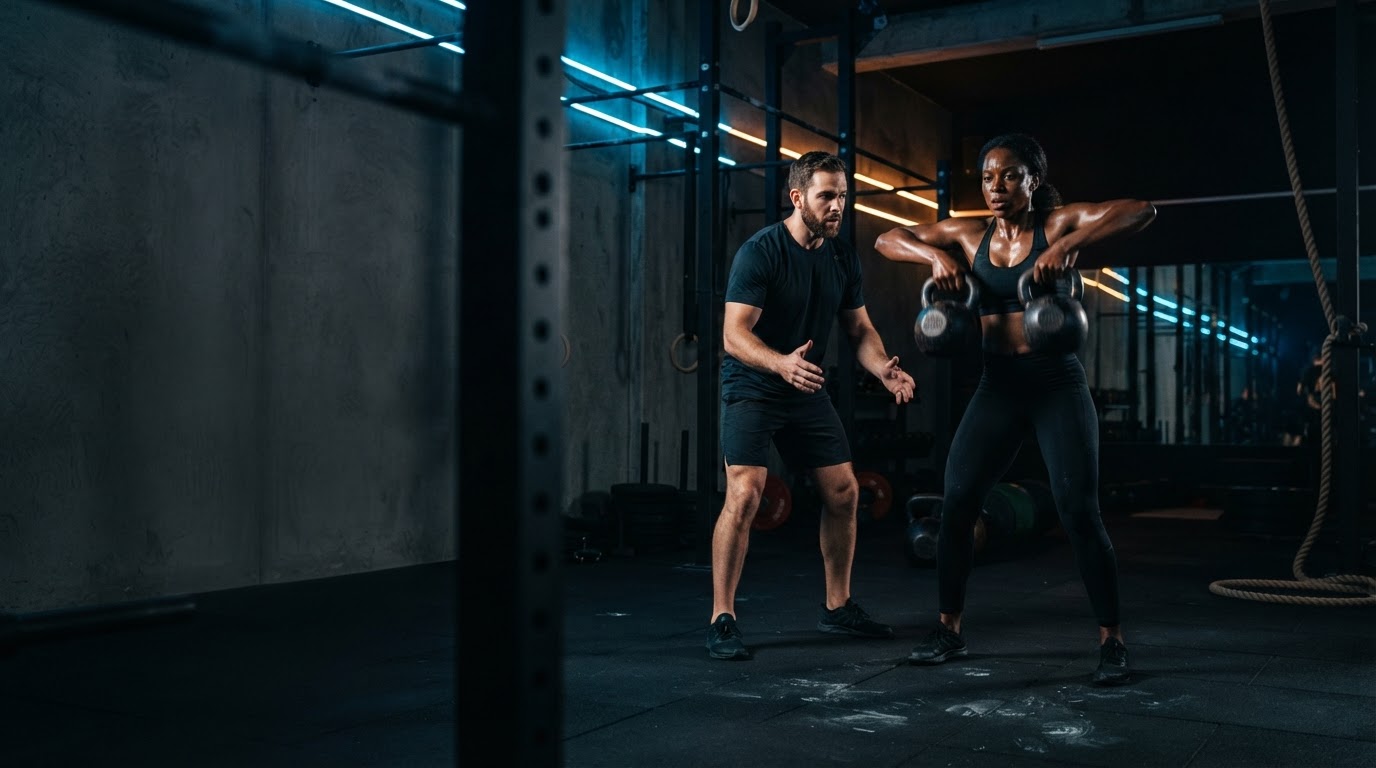
Adaptive personal training gives the coach the flexibility to build the session around the athlete instead of trying to fit the athlete into a standard workout.
Fusion Adaptive Fitness provides one-on-one fitness coaching for children, teens and adults who may benefit from more individualized instruction, exercise modifications, a different pace or more time to become comfortable in a fitness environment.
Training can be adjusted around the athlete's goals, experience, communication style, mobility, coordination, confidence and support needs.
Why Choose Adaptive Personal Training?
Some athletes do well in groups.
Others need more individual attention before a group setting feels comfortable or productive.
One-on-one training gives the coach more time to observe how the athlete moves, communicates, learns and responds to different exercises.
More Individual Attention
The coach can focus entirely on one athlete and adjust the session as needed.
Flexible Pacing
There is no pressure to keep up with a class. The workout can move faster or slower based on the athlete.
Clearer Coaching
Instructions can be shortened, repeated, demonstrated or broken into smaller steps.
Individual Progression
The athlete can build strength, conditioning and skills at a pace that makes sense for them.
Who May Benefit From Adaptive Personal Training?
Adaptive personal training can be useful for many different athletes.
Children New to Fitness
One-on-one coaching can provide a calmer starting point for a child who is unsure about exercise or new environments.
Teens Who Don't Enjoy Traditional Sports
Personal training offers a way to become stronger and more active without needing to participate in team sports or large group classes.
Autistic Athletes
Training can be adjusted around communication preferences, pacing, repetition, transitions, routine and sensory considerations.
Adults With Developmental Disabilities
Adults may use personal training to build strength, improve fitness, develop routine and become more comfortable exercising in a gym.
Athletes Who Need More Support
Some people benefit from more demonstrations, more repetition, simpler exercise progressions or closer coach supervision.
Anyone Who Needs a Different Coaching Style
A diagnosis is not required. Adaptive training is based on what helps the person participate successfully.
What Can Adaptive Personal Training Work On?
Sessions are built around the athlete, so not every workout looks the same.
Depending on the athlete's goals and abilities, training may include:
The goal is not to check every box in every session.
The coach selects exercises based on what is appropriate and meaningful for the athlete.
Adaptive Strength Training
Strength training can be adapted in many ways.
The coach may change:
- the amount of resistance
- the exercise position
- the equipment
- the range of motion
- the number of repetitions
- how the exercise is demonstrated
- how much assistance or support is provided
An athlete might use bodyweight exercises, resistance bands, dumbbells, medicine balls, bags or other available fitness equipment depending on what is appropriate.
The goal is to build strength safely and progressively without assuming every athlete needs to perform the same exercise the same way.
Different exercise. Same goal: meaningful progress.
The Coaching Changes With the Athlete
Instruction
Some athletes respond best to short verbal directions. Others learn more easily through demonstrations, visual examples or repetition.
Pacing
The coach can slow down, take additional practice time or progress more quickly when the athlete is ready.
Exercise Selection
If an exercise is not the right fit, we can use another movement that works toward a similar fitness goal.
Support
Some athletes may need more coaching at first and gradually become more independent as they gain experience.
The goal is not to create dependence on the coach.
Whenever appropriate, we want the athlete to become more comfortable, capable and independent in the fitness environment over time.
Autism
Adaptive Personal Training for Autistic Athletes
Autistic athletes do not all need the same type of fitness program.
One athlete may prefer a predictable workout structure and repetition.
Another may respond better to variety.
Some may need extra transition time or more time to become comfortable with a new coach.
Others may be ready to train independently with only small adjustments.
Fusion focuses on the individual athlete rather than assuming a diagnosis determines the workout.
Kids & Teens
One-on-One Adaptive Fitness for Kids & Teens
For some children and teens, one-on-one fitness is the easiest way to start.
It removes the pressure of keeping up with a group and gives the coach more time to learn:
- how the athlete communicates
- how they respond to instruction
- which activities they enjoy
- what makes them uncomfortable
- which exercises are appropriate
- how much support they currently need
As confidence and experience grow, some athletes may later transition into small-group fitness if that becomes a good fit.
Adults
Adaptive Personal Training for Adults
Adults with disabilities deserve access to age-appropriate fitness and real strength training.
Adaptive personal training can help adults work toward goals such as:
- becoming more active
- building strength
- improving conditioning
- creating a weekly routine
- becoming more confident in the gym
- learning exercises they can perform more independently
Training should feel like adult fitness, not children's programming with an older participant added to it.
Developmental Disabilities
Personal Training for People With Developmental Disabilities
Some athletes with intellectual or developmental disabilities may benefit from a more individualized coaching environment.
Training can be adapted around:
- communication
- exercise complexity
- pacing
- balance
- coordination
- repetition
- mobility
- attention
- confidence
- support needs
Fusion works with athletes with a range of abilities, but every person is different.
Start with a conversation so we can determine whether our current program and facility are the right fit.
What Happens When You Start?
Tell Us About the Athlete
Share their age, goals, previous fitness experience and anything important about communication, mobility, sensory preferences or support needs.
Choose a Starting Point
We'll discuss whether one-on-one adaptive personal training appears to be an appropriate option.
Start With the Basics
The coach gets to know the athlete, introduces exercises and begins learning what coaching style works best.
Progress Over Time
As the athlete becomes more comfortable and capable, exercises and expectations can progress with them.
Can a Parent, Caregiver or Support Person Be Involved?
Sometimes an athlete is comfortable training independently.
Sometimes a parent, caregiver, Community Habilitation worker or other support person may play an important role, especially when someone is first getting started.
Tell us what support the athlete currently uses and we can discuss what makes sense for the training environment.
The long-term goal may look different for each person.
For some athletes, increasing independence in the gym can become part of their progress.
Fusion does not provide Community Habilitation services.
Personal Training or Group Fitness?
Adaptive Personal Training
Best for athletes who may benefit from:
- one-on-one attention
- flexible pacing
- individualized exercise selection
- more coaching support
- a quieter starting point
Adaptive Group Fitness
May be appropriate for athletes who:
- enjoy training around others
- can participate in a small group
- benefit from social energy
- can follow group instruction with modifications
You do not have to decide before contacting us.
Tell us about the athlete and we'll help determine the best available starting point.
Using OPWDD Self-Direction for Fitness?
Some participants using OPWDD Self-Direction may have qualifying fitness expenses included in an approved budget.
Whether adaptive personal training can be paid through Self-Direction depends on the participant's individual budget, goals, funding category and Fiscal Intermediary requirements.
Fusion Adaptive Fitness can provide:
- program descriptions
- pricing
- business information
- invoices
- other reasonable documentation your Self-Direction team may request
Fusion does not determine OPWDD eligibility or guarantee funding.
Working With Your FI
We can provide information your Fiscal Intermediary may need to review a fitness expense.
Working With Your Broker
Your Support Broker can help determine how fitness fits into the participant's approved Self-Direction budget.
Documentation
Program descriptions, pricing, invoices and other reasonable documentation can be provided for your Self-Direction team.
Adaptive Personal Training in Port Jefferson Station
Fusion Adaptive Fitness is based in Port Jefferson Station, NY and serves athletes from communities throughout the Town of Brookhaven and surrounding Suffolk County.
Families may travel from Port Jefferson, Mount Sinai, Miller Place, Stony Brook, East Setauket, Centereach, Selden, Coram, Sound Beach, Rocky Point, Middle Island and nearby communities for individualized adaptive fitness.
Communities We Serve
- Port Jefferson
- Mount Sinai
- Miller Place
- Stony Brook
- East Setauket
- Centereach
- Selden
- Coram
- Sound Beach
- Rocky Point
- Middle Island
- Nearby areas
Adaptive Personal Training FAQs
Start With One Athlete and One Conversation
You do not need to have the entire fitness plan figured out.
Tell us about the athlete, what you hope they can work toward and anything you'd like us to know.
We'll help you determine whether Adaptive Personal Training is the right place to begin.